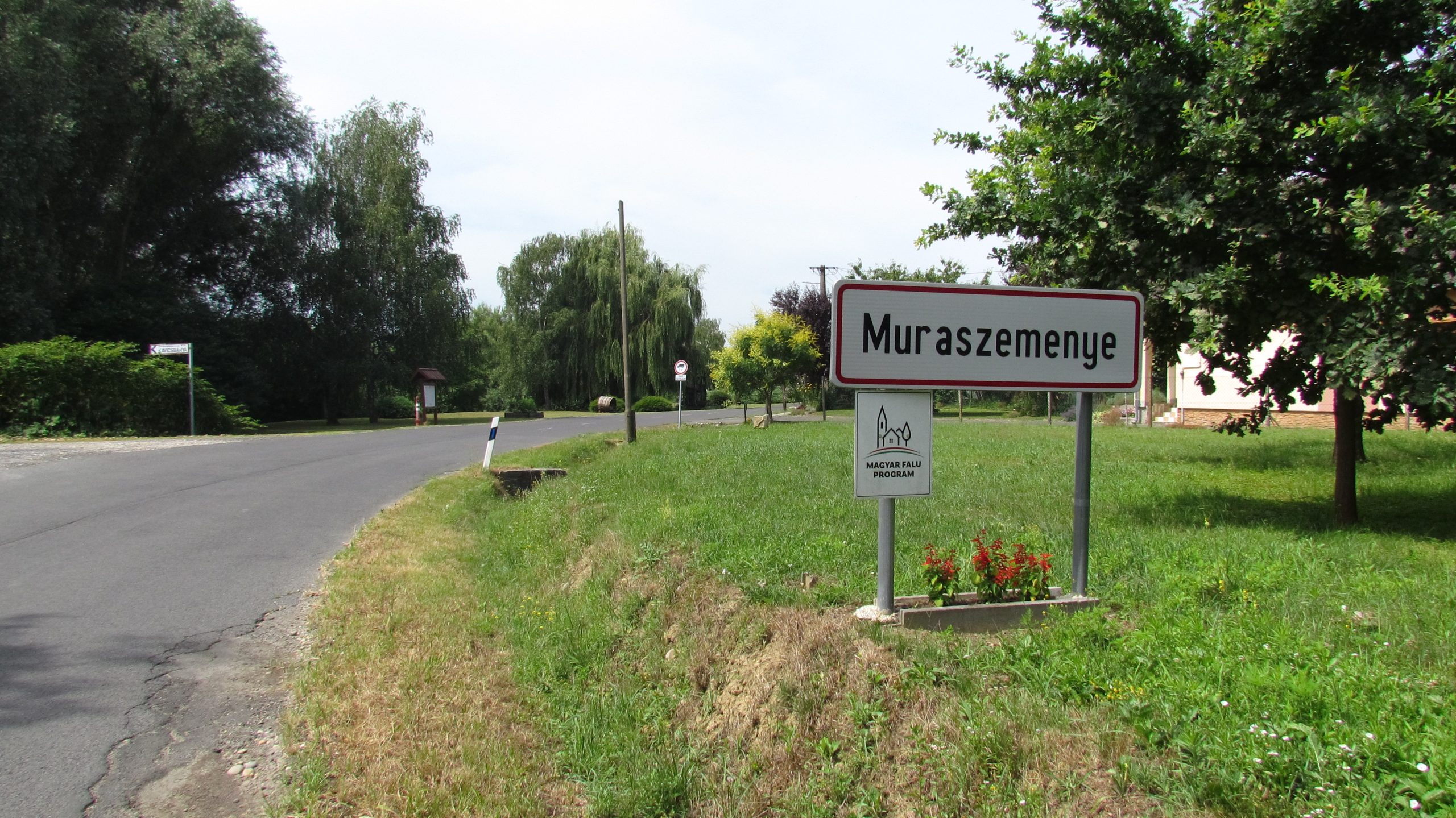



Muraszemenye
Muraszemenye – Where History Meets the Waters
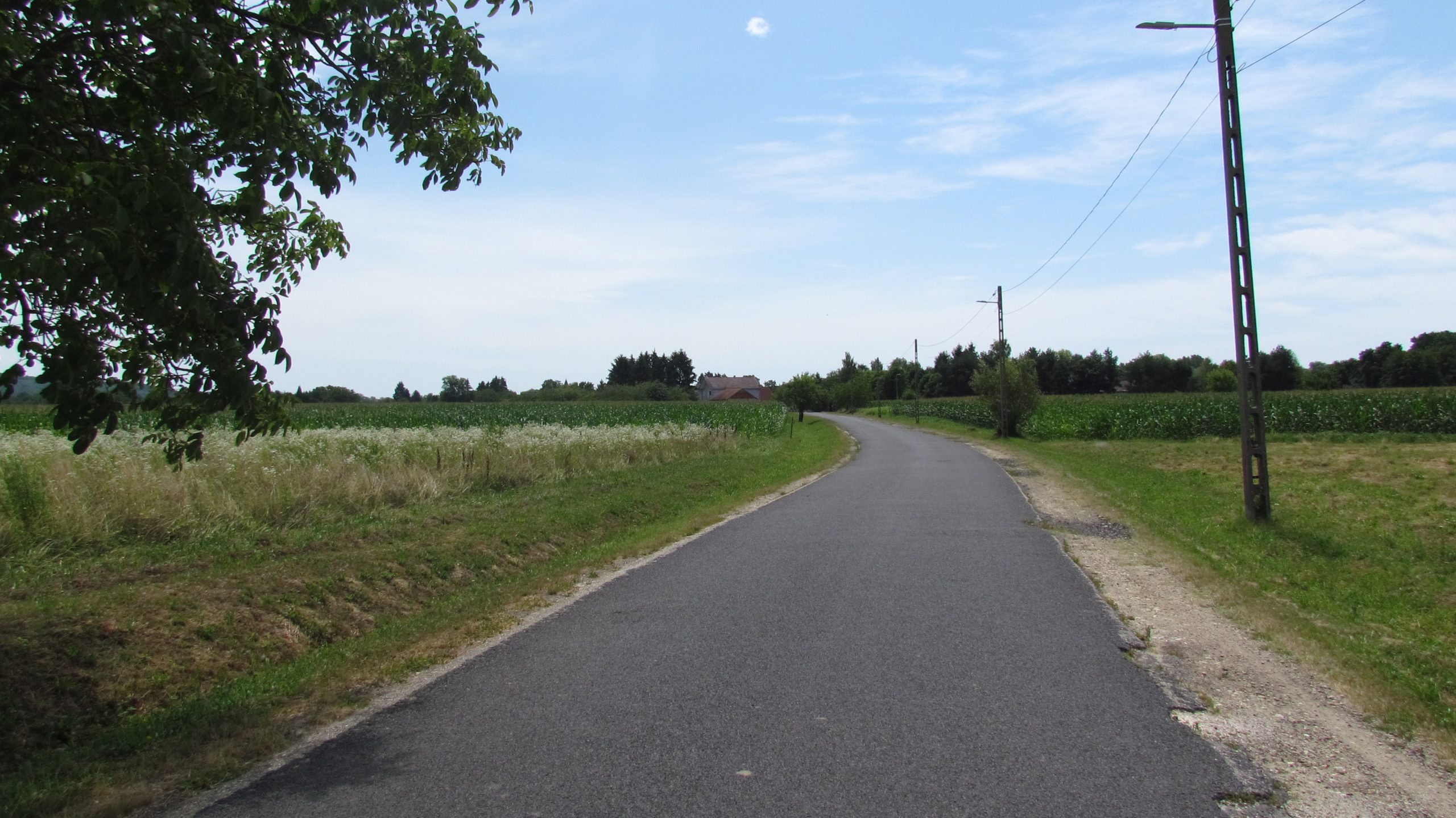
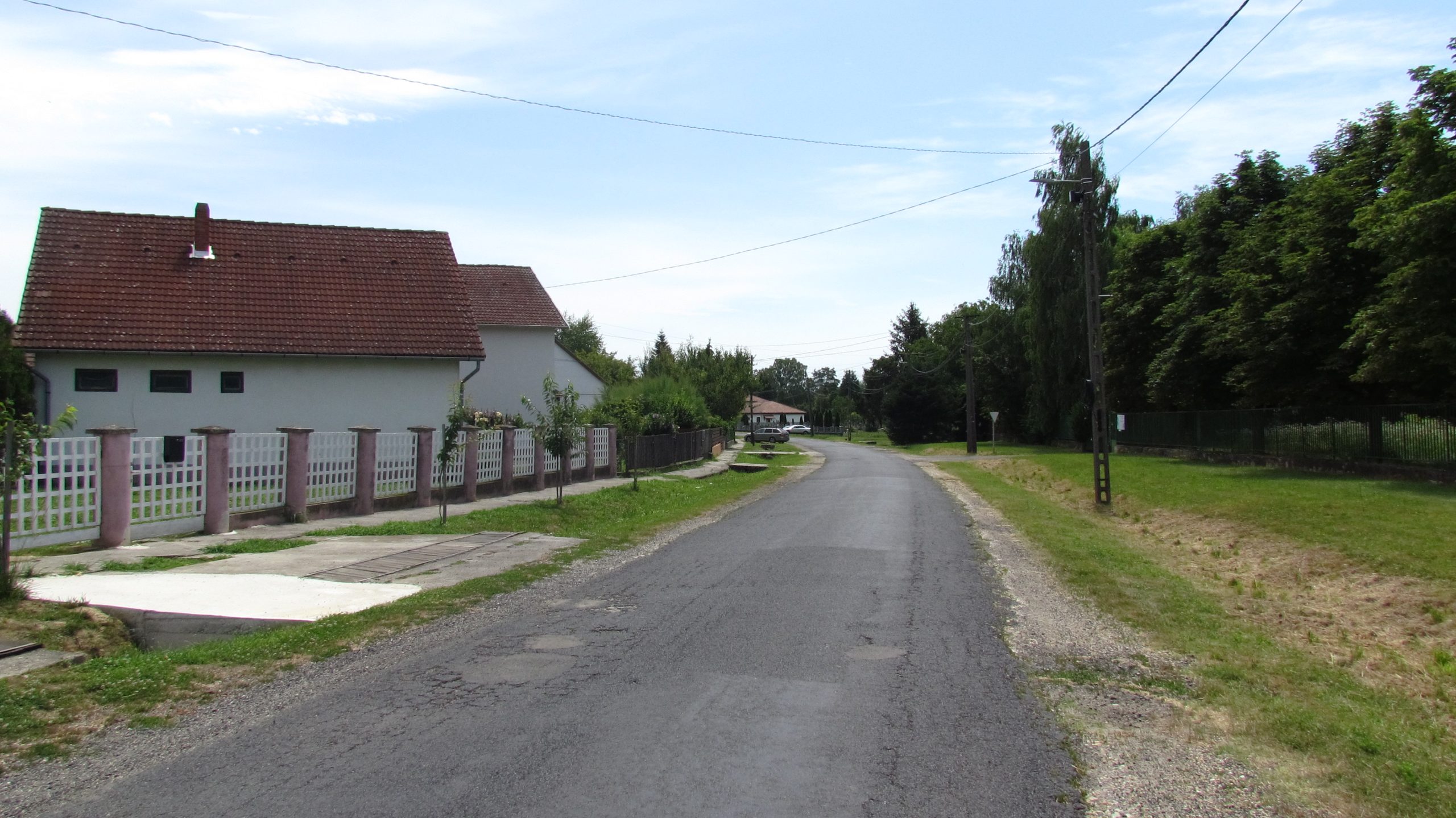
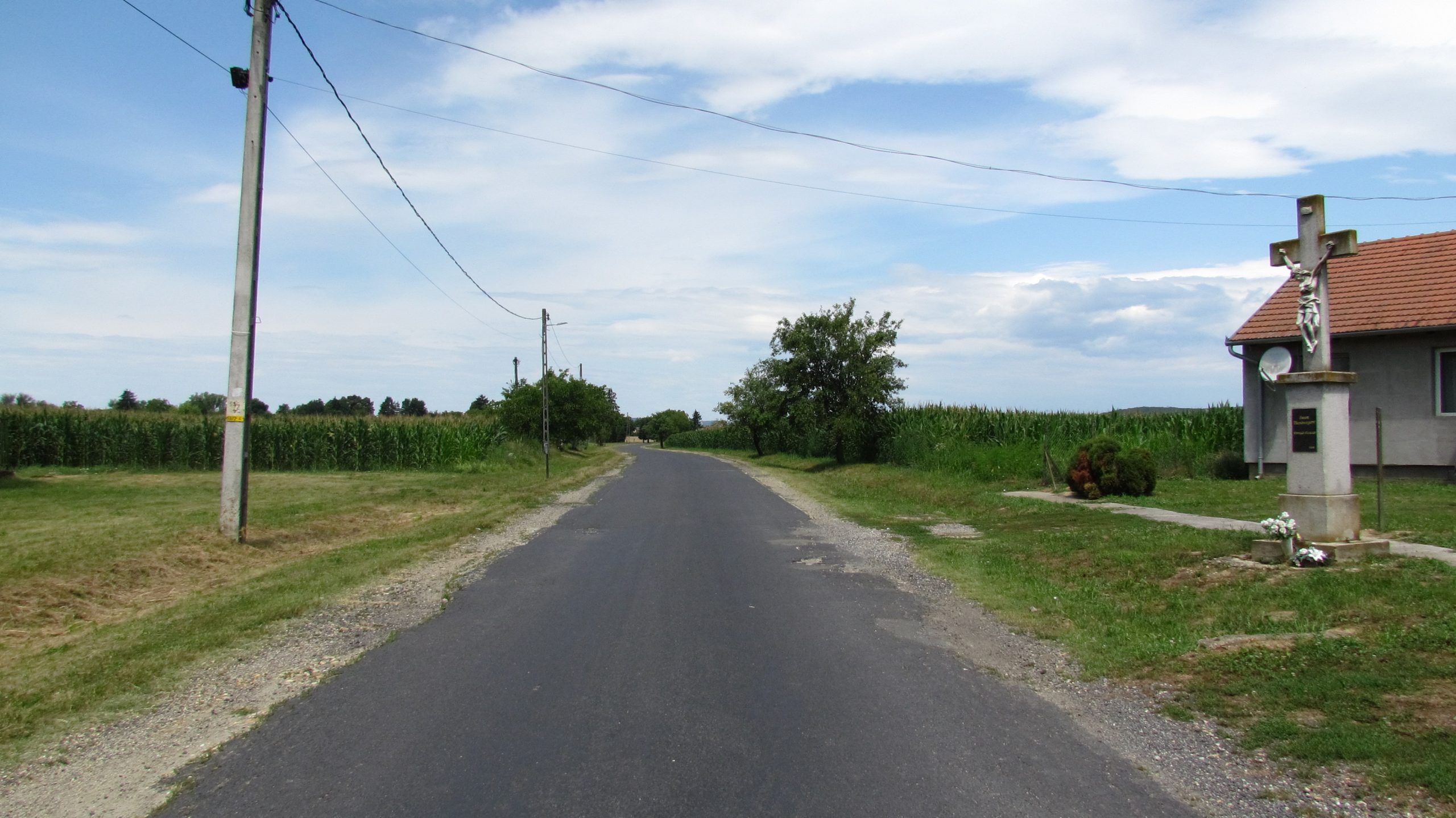
At the meeting point of the winding Mura River and the Kerka Stream, just a stone’s throw from the Hungarian–Slovenian–Croatian tri-border, lies a village that is a true riverside treasure: Muraszemenye. Beyond its shimmering lakes, renowned fishing waters and ancient floodplain forests, this remarkable place preserves centuries of history and the enduring spirit of the people who have called it home.
The Beginning: Royal Fishermen and the Flow of Time
The history of Muraszemenye stretches back to the centuries following the Hungarian Conquest. The village’s name—derived from the Slavic personal name Semen (Szemény)—first appeared in written records in 1322, although archaeological discoveries show that the area had been inhabited long before then.
During the Middle Ages, the inhabitants of Szemenye lived as serfs under noble families. Yet it was their unique geographical setting that truly shaped their destiny. They were far more than ordinary farmers. Thanks to the abundant fish stocks of the Mura River and its side branches, generations of local people became renowned fishermen and specialists in catching weatherfish and other wetland species.
The river provided their livelihood—but it was also their greatest master. Frequent flooding taught the people of Muraszemenye to live in harmony with nature and to adapt to its ever-changing rhythm.
The Ottoman Era and a New Beginning
The most difficult chapter in the village’s history came during the sixteenth and seventeenth centuries. After the fortress of Kanizsa fell under Ottoman rule, Muraszemenye found itself on the frontier of the occupied territories. Constant military raids, double taxation and repeated destruction forced the population to seek refuge in the surrounding floodplain forests and marshlands.
Yet, like the willow trees growing along the riverbanks, the village always found the strength to recover.
Following the expulsion of the Ottoman forces:
- homes were rebuilt,
- agriculture flourished once again,
- and religious life was re-established.
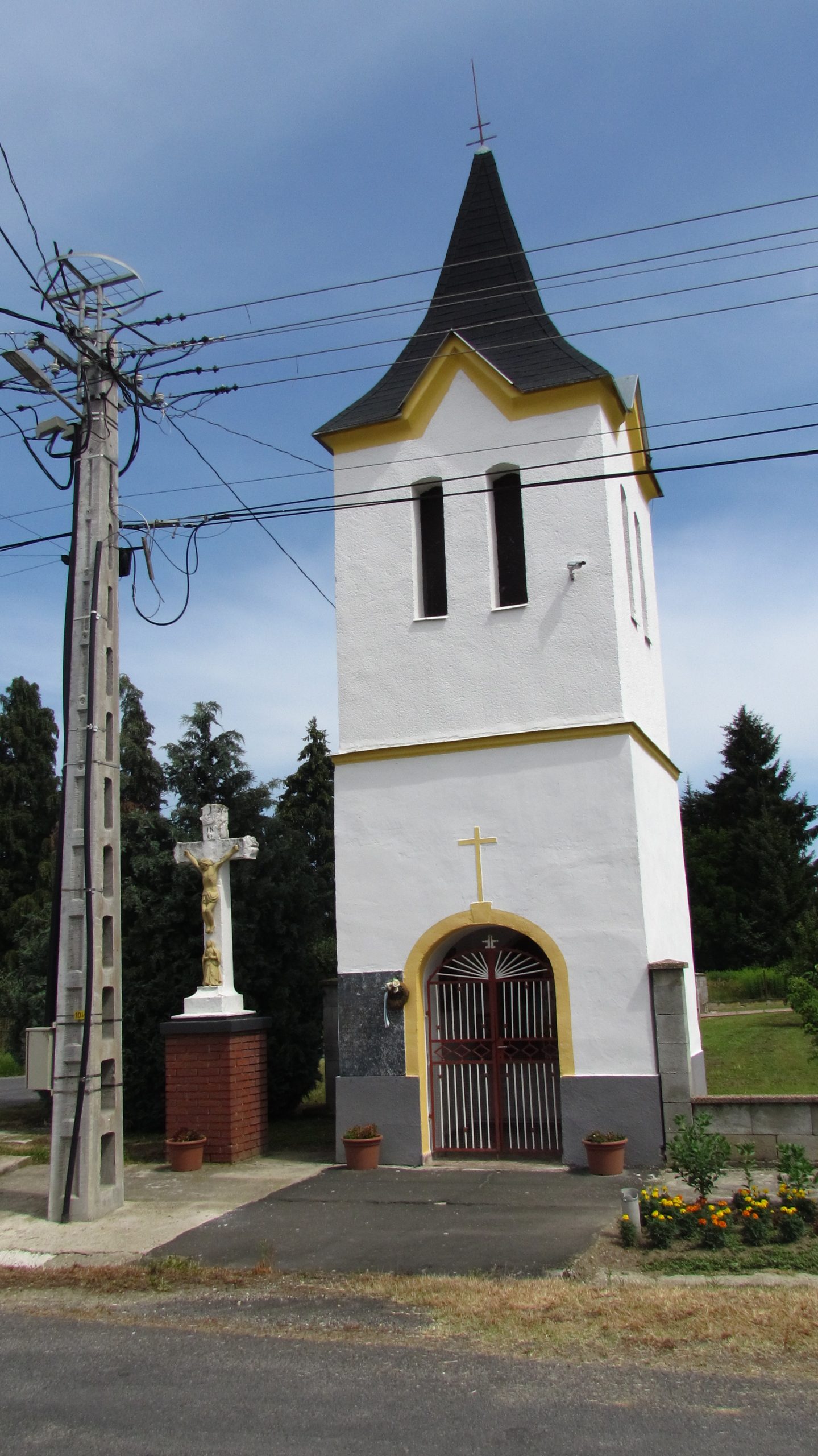
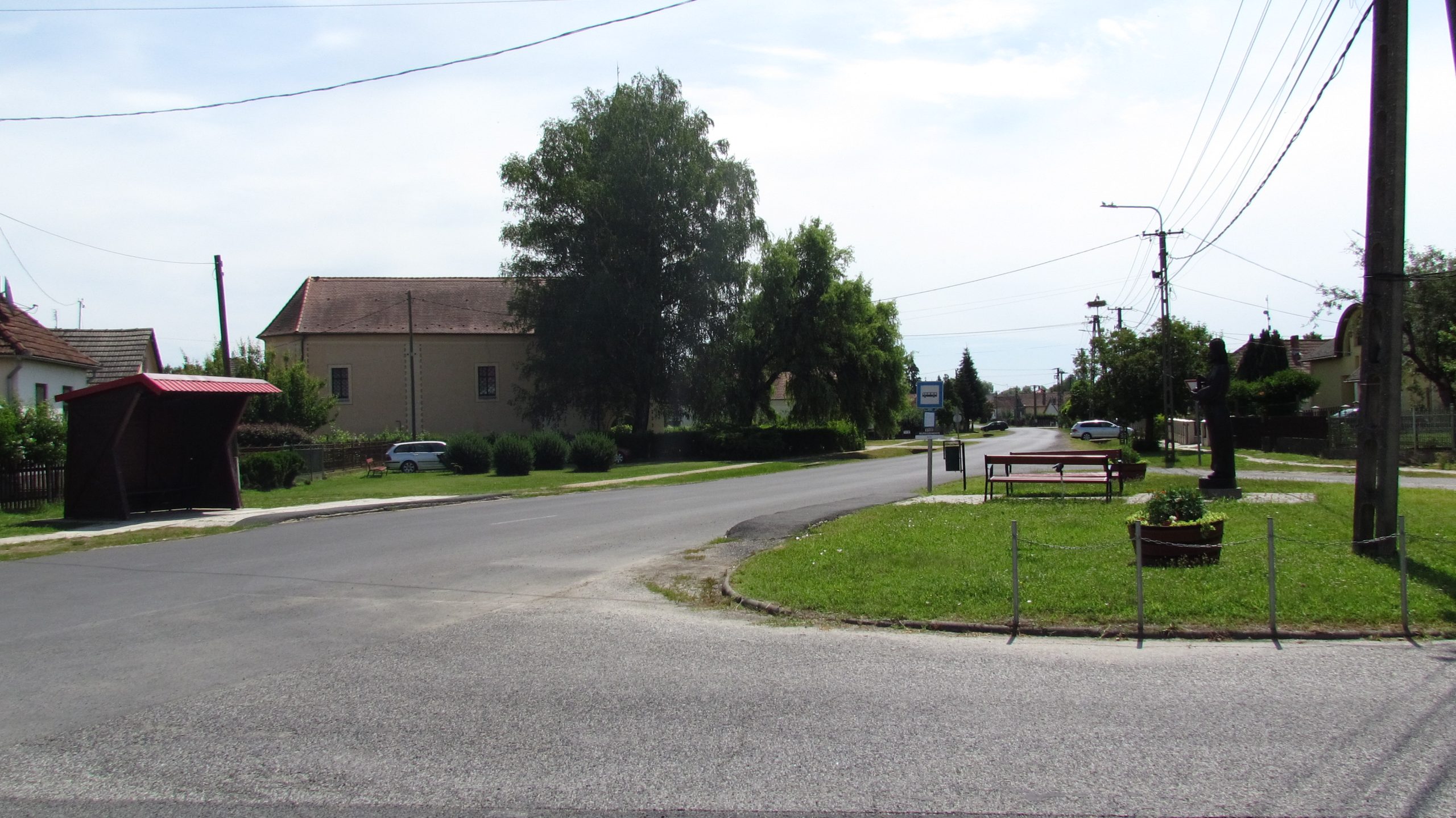
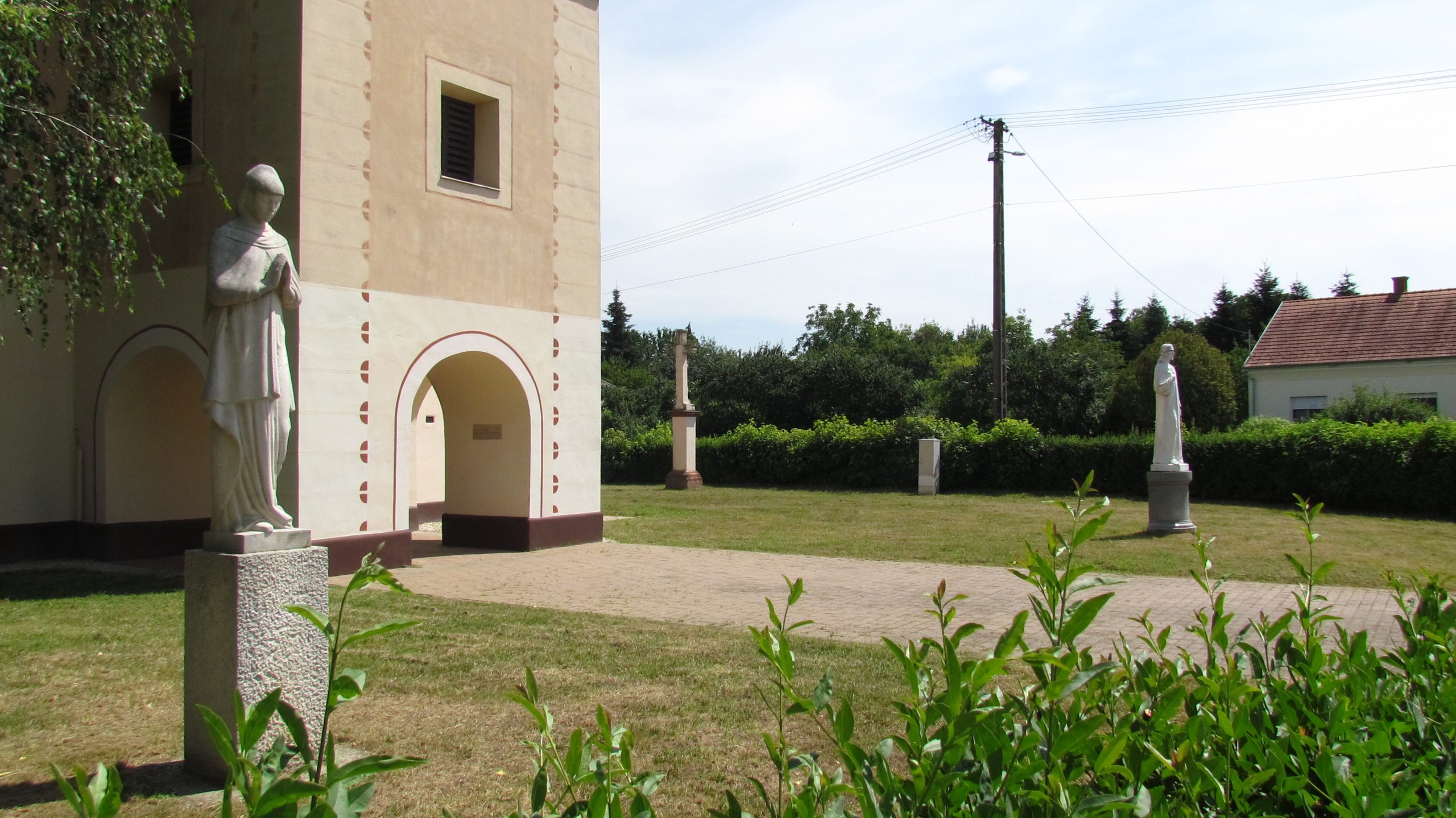
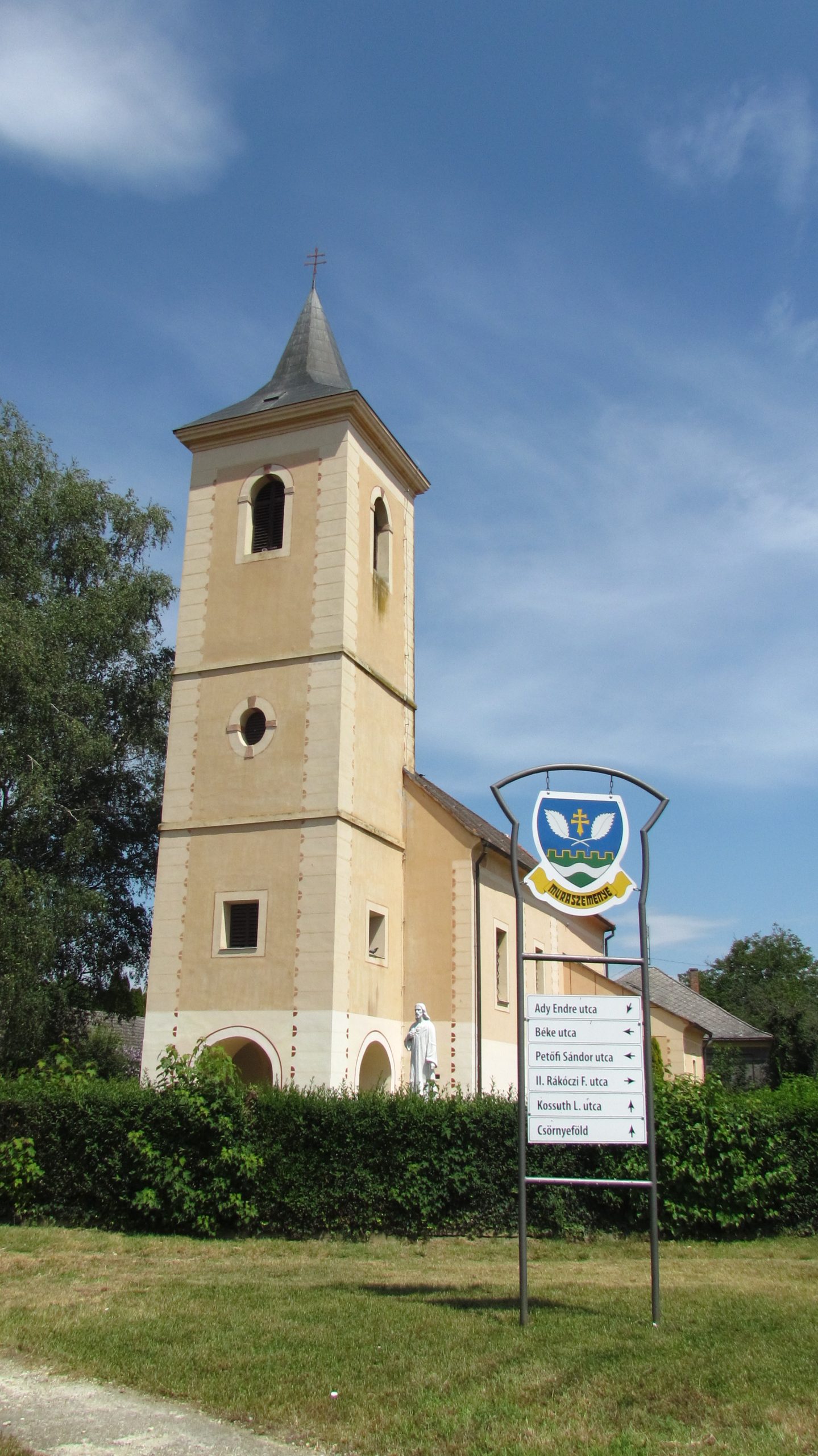
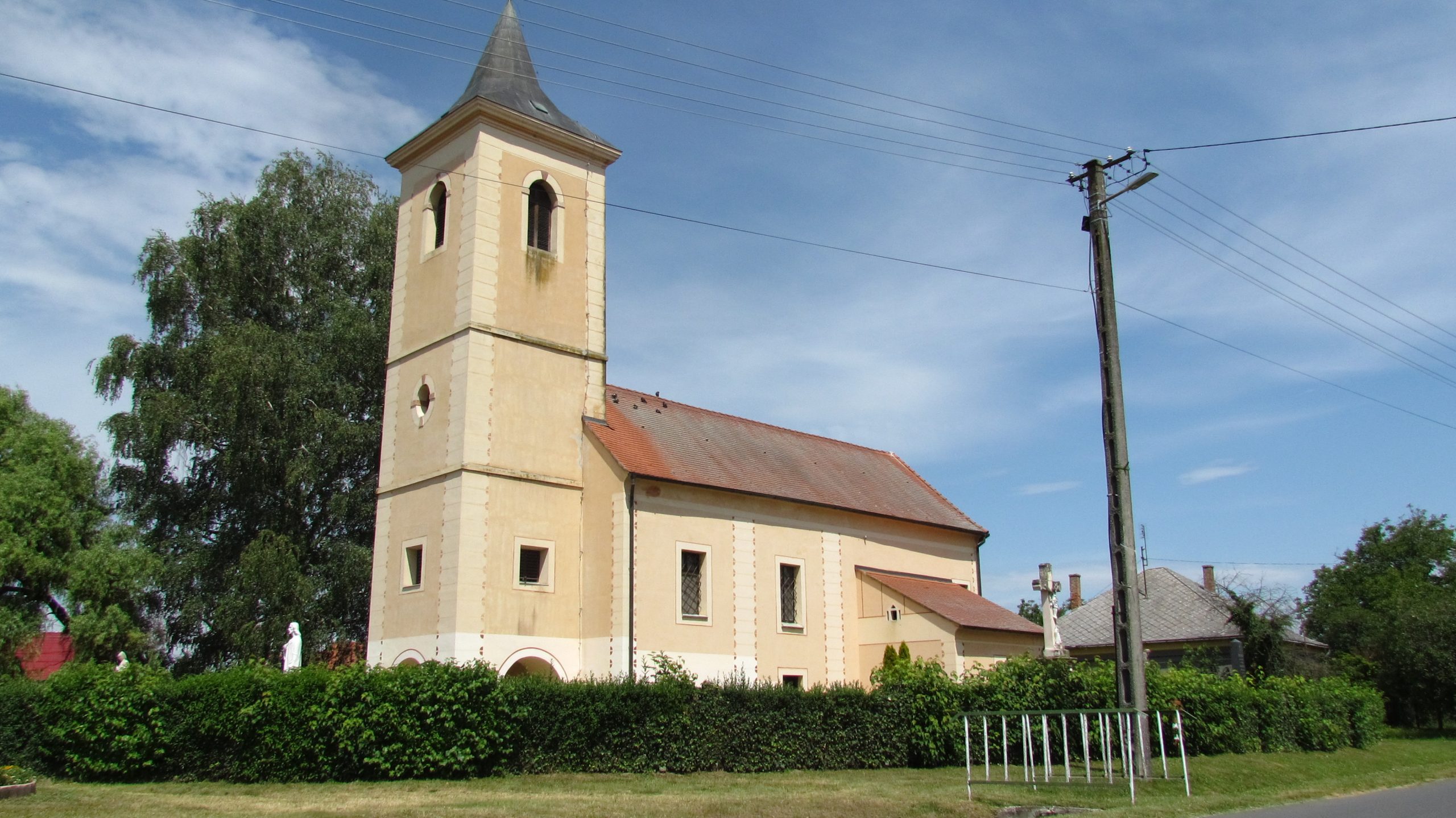
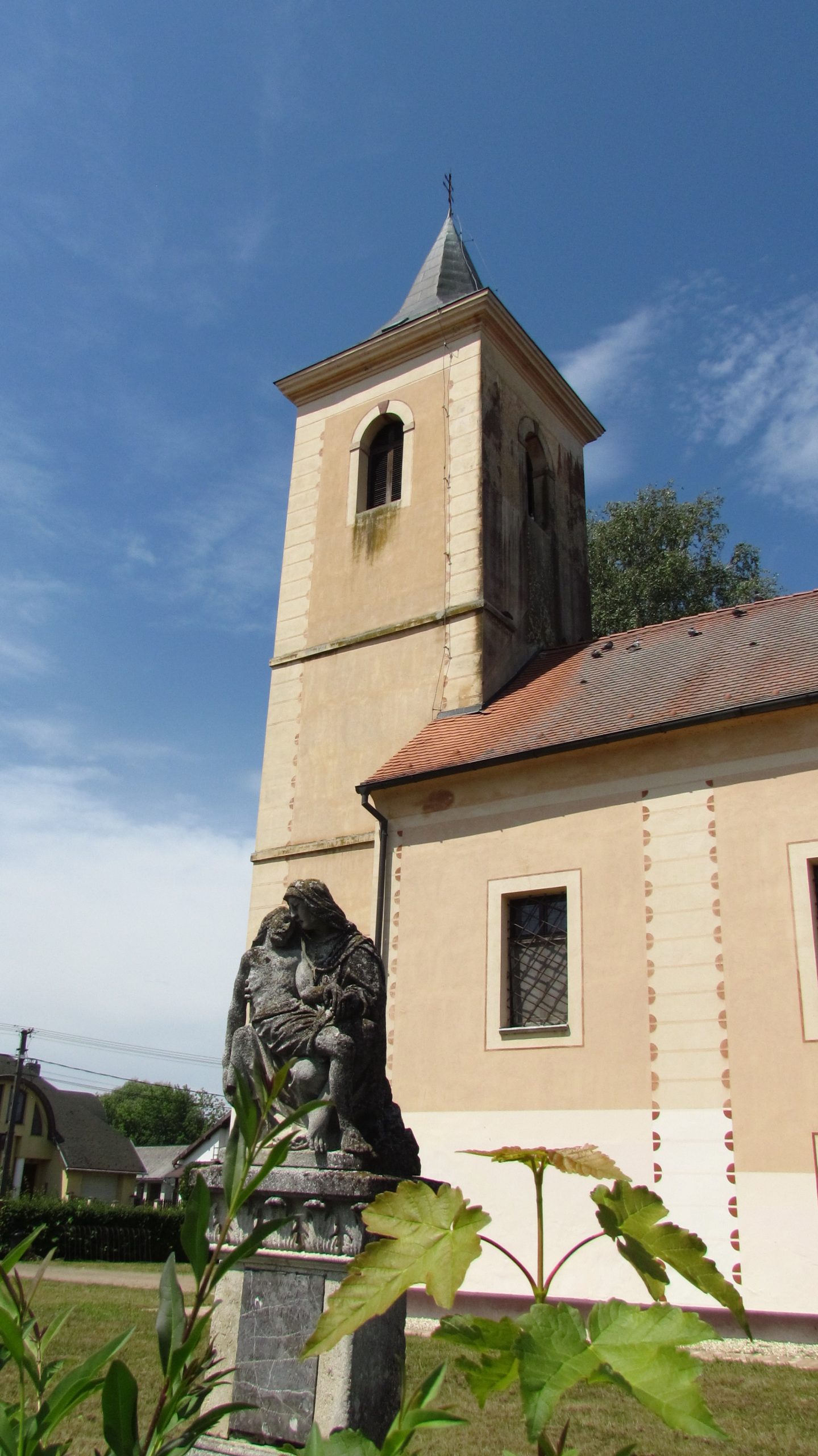
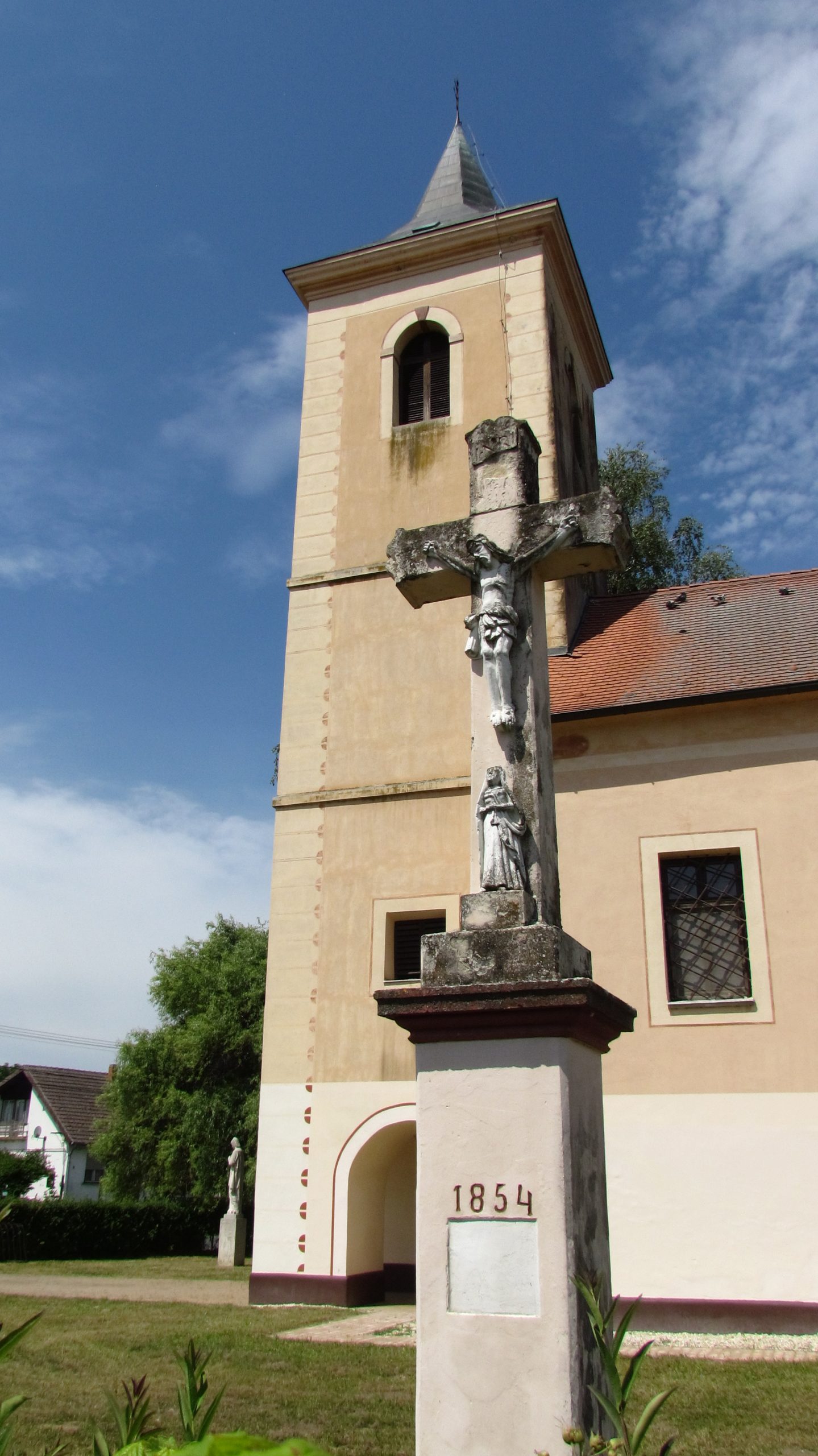
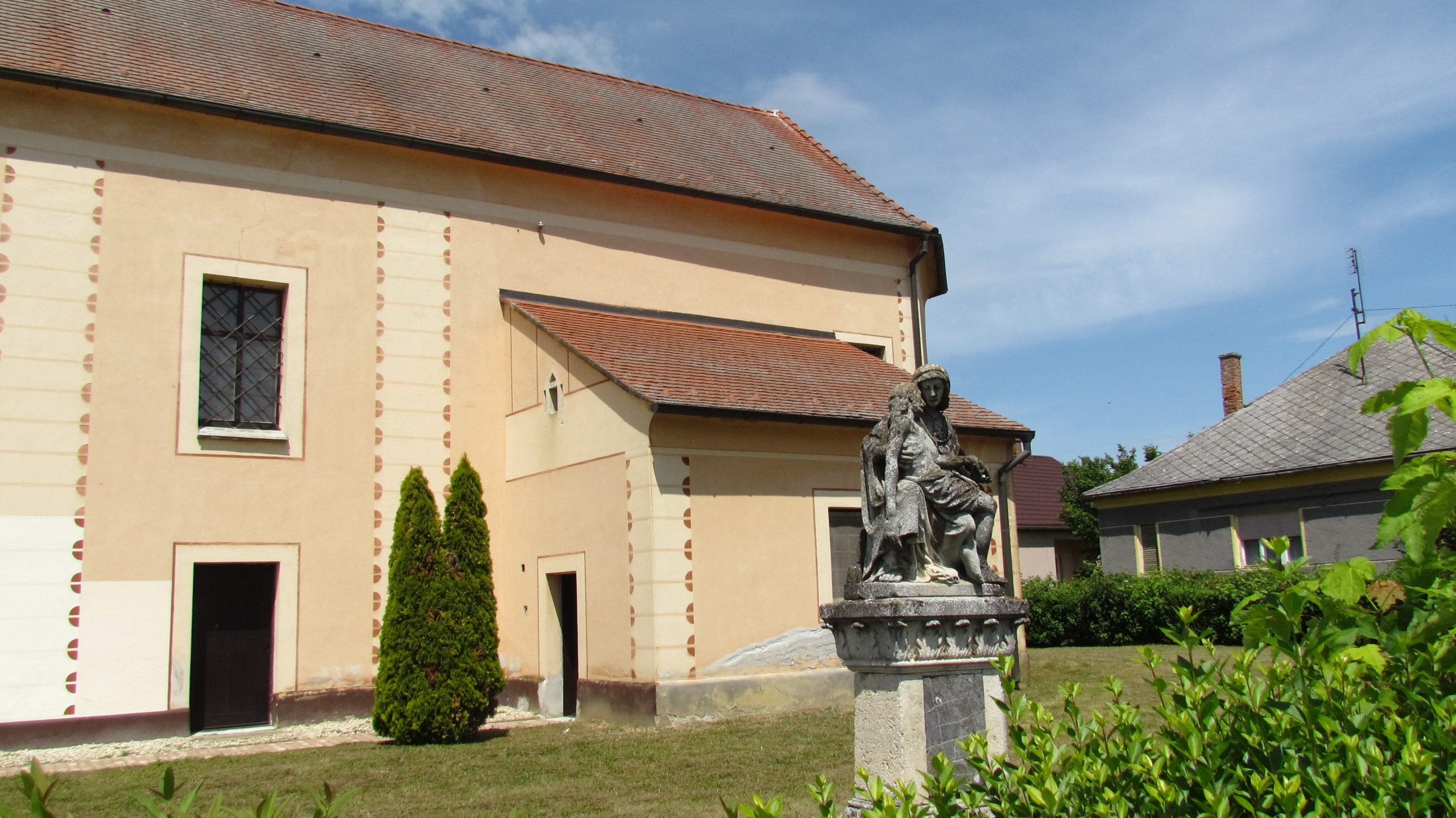
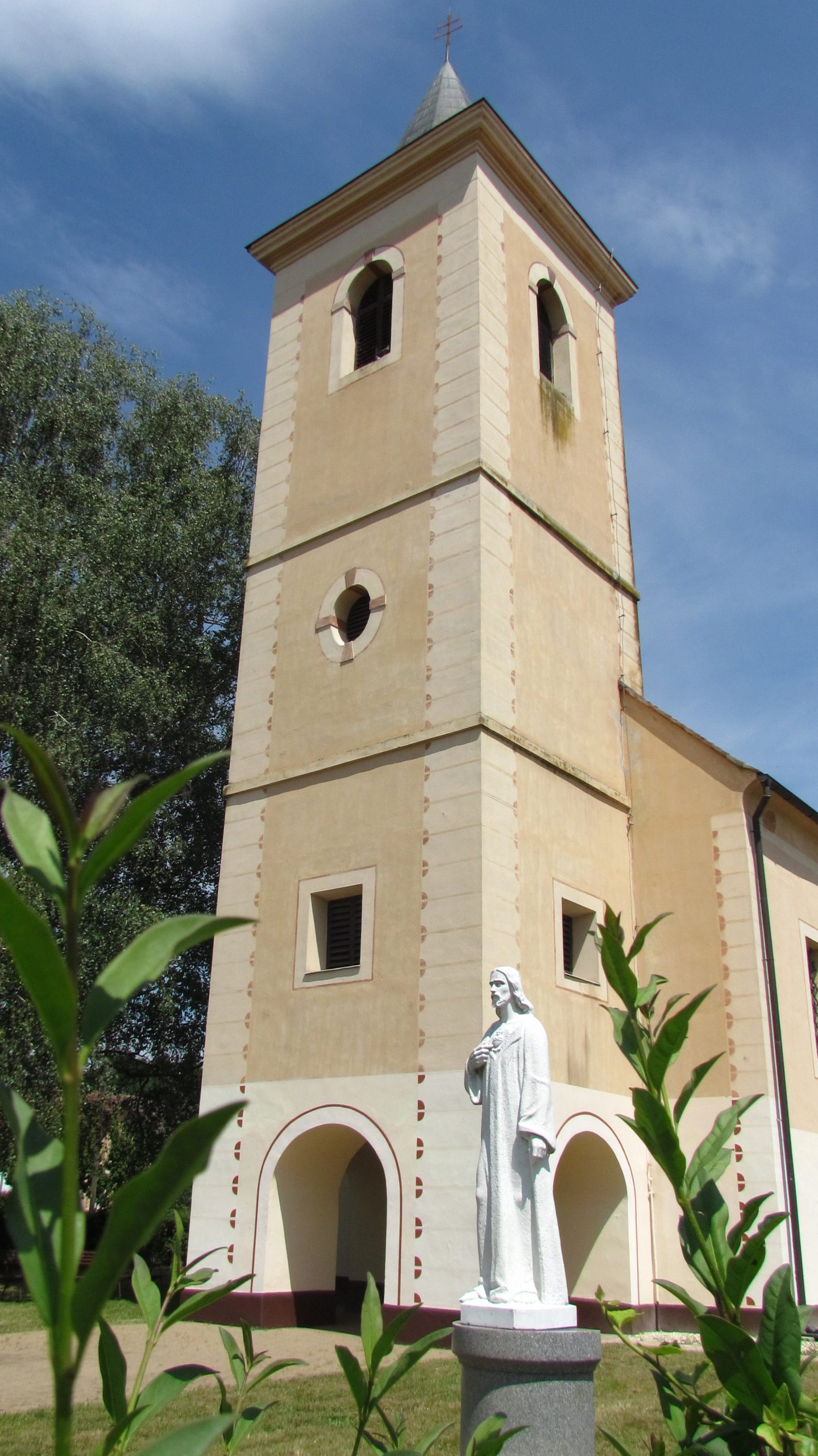
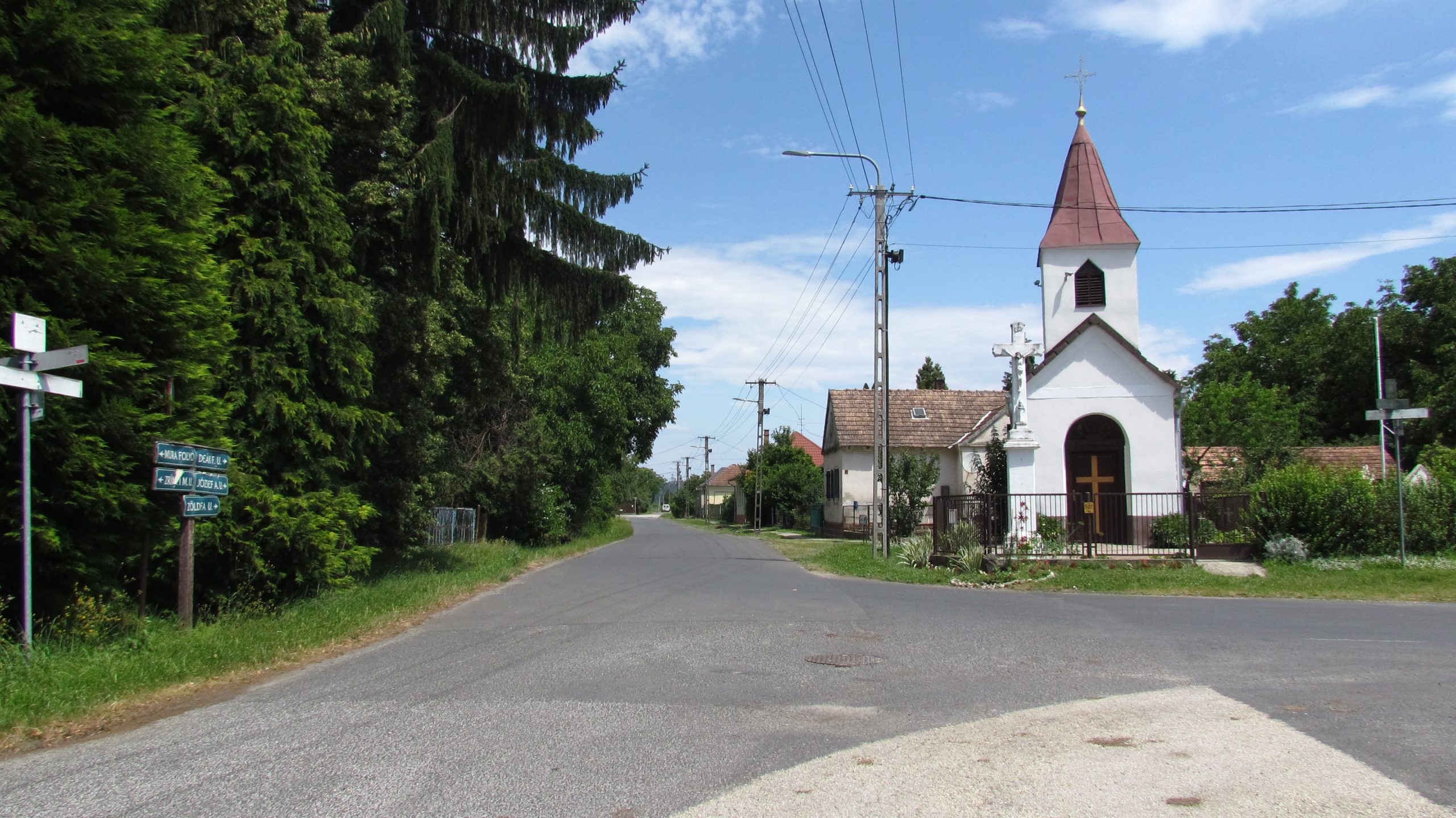
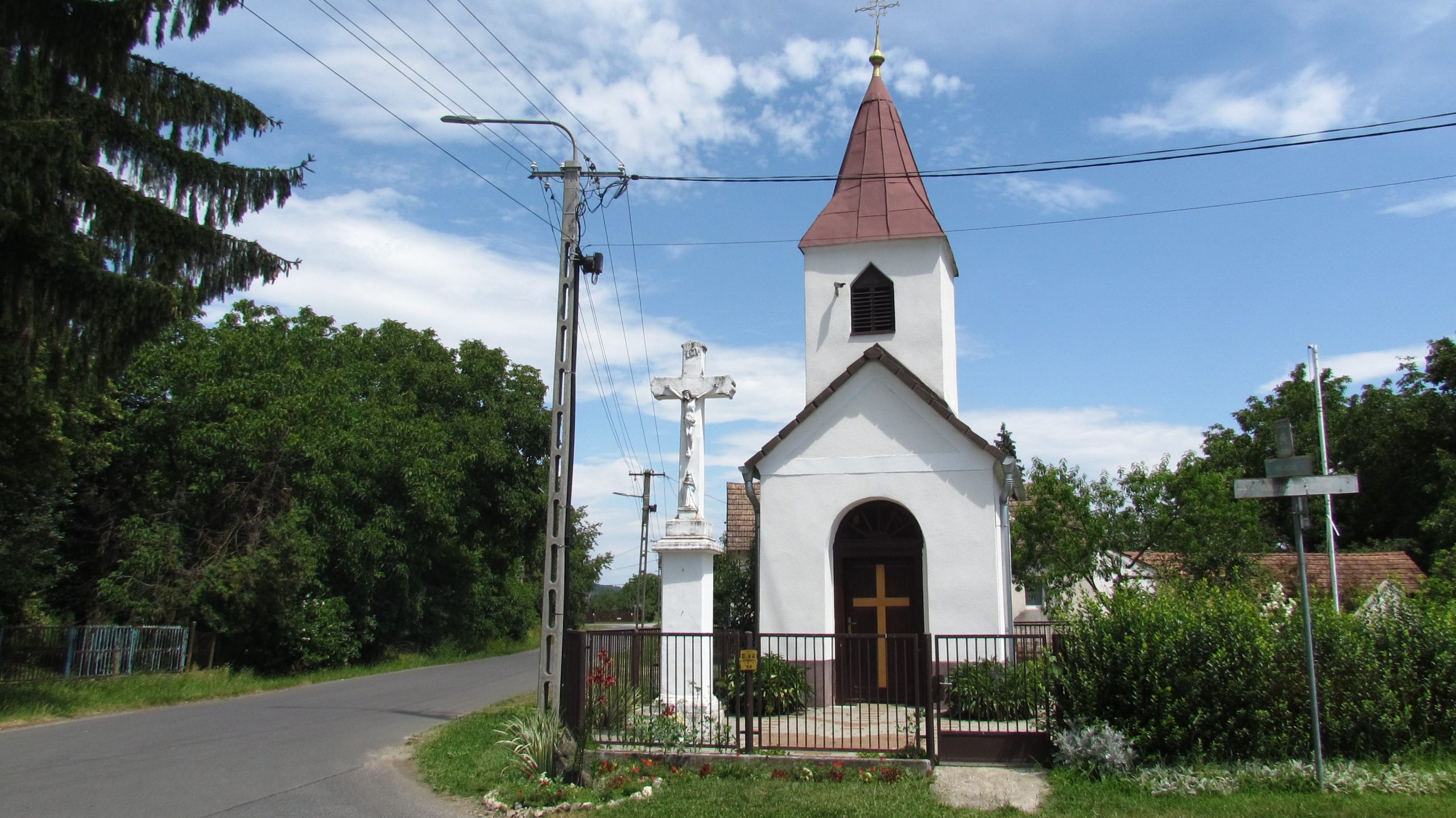
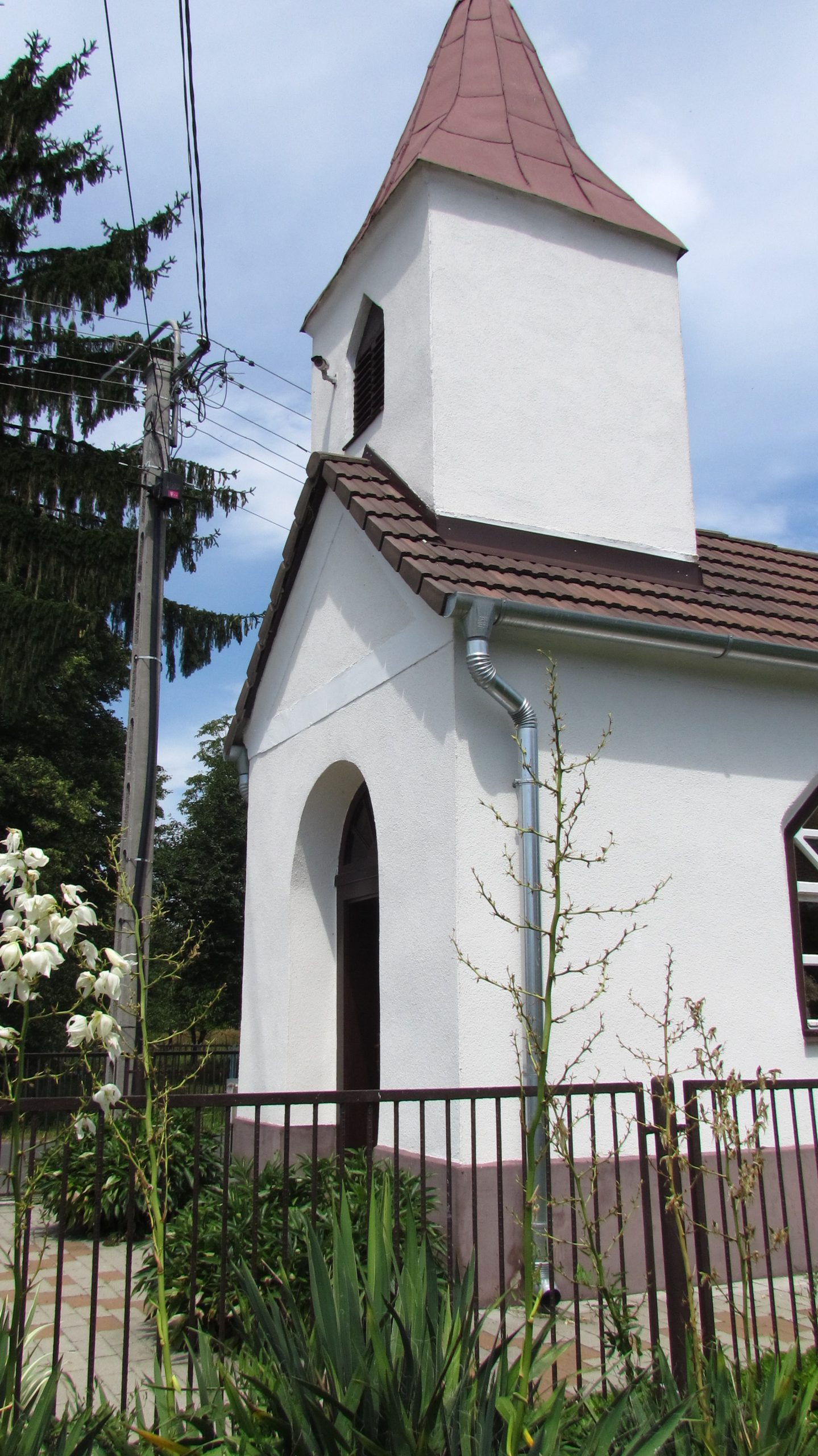
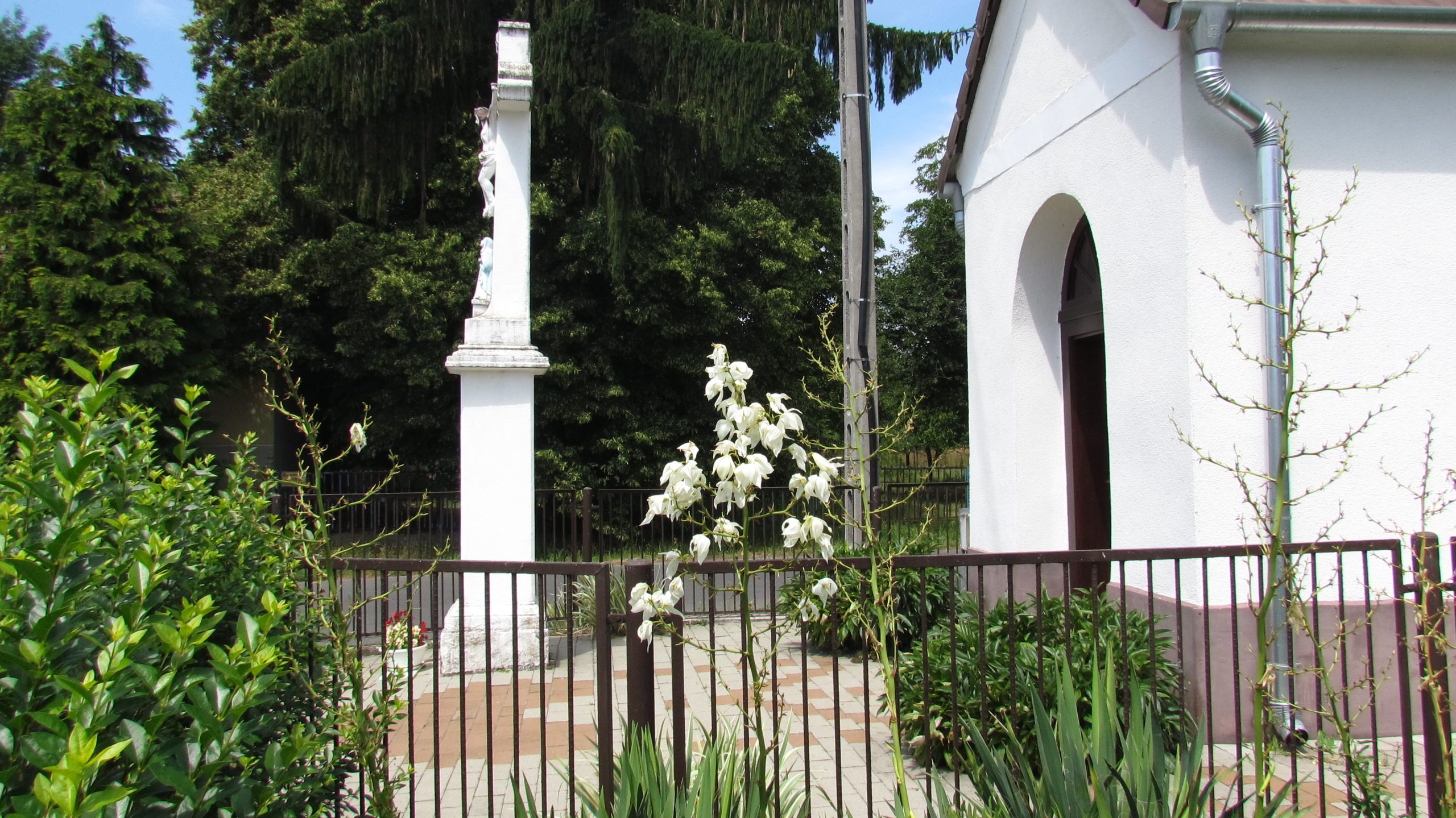
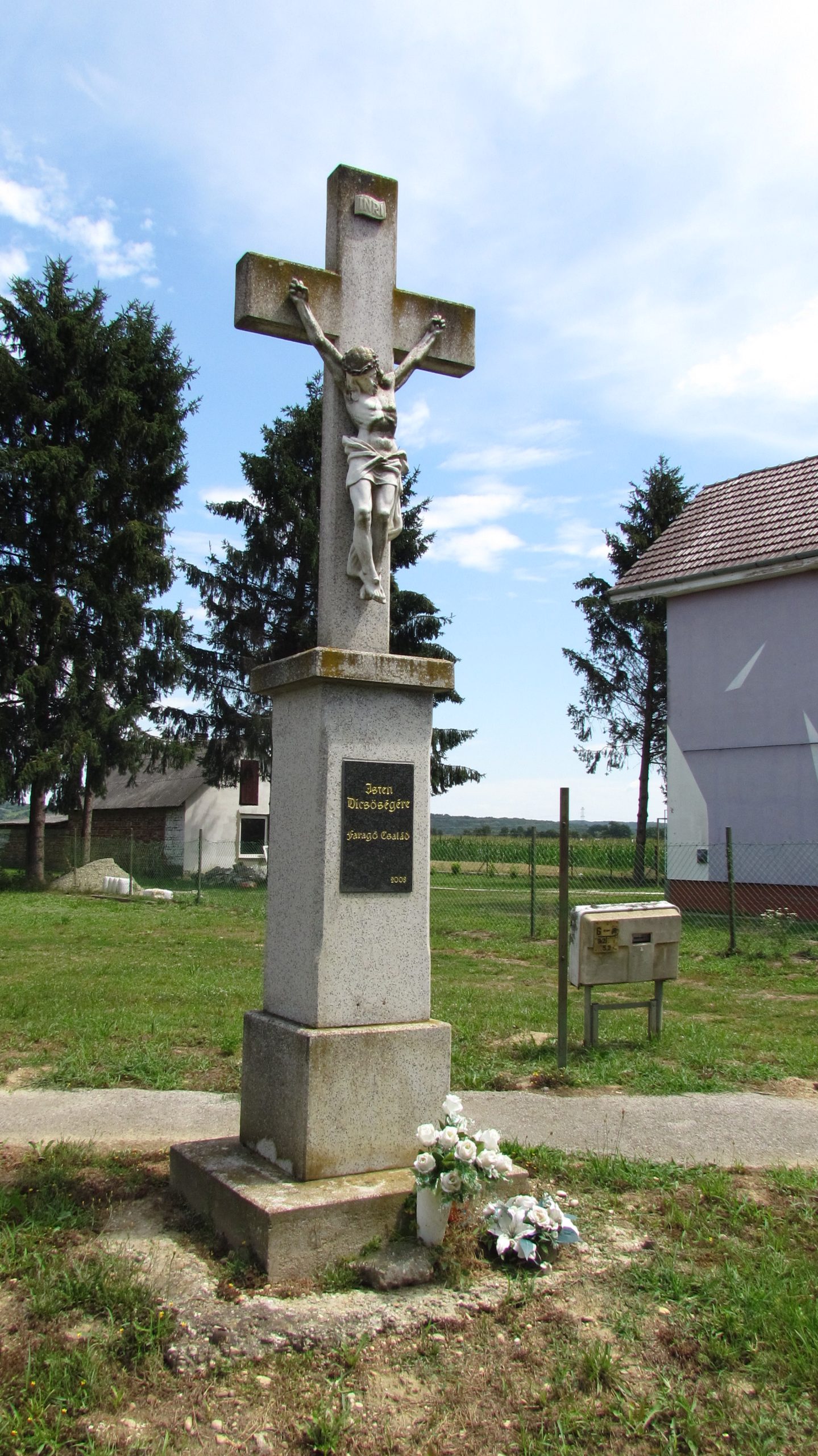
The most enduring symbol of this rebirth still stands at the heart of the village today: the Roman Catholic Church of St. Bartholomew the Apostle, built in 1742 in the Baroque style. Its graceful architecture and peaceful interior continue to reflect the stability and faith that sustained generations of local residents through centuries of hardship.
A Village United
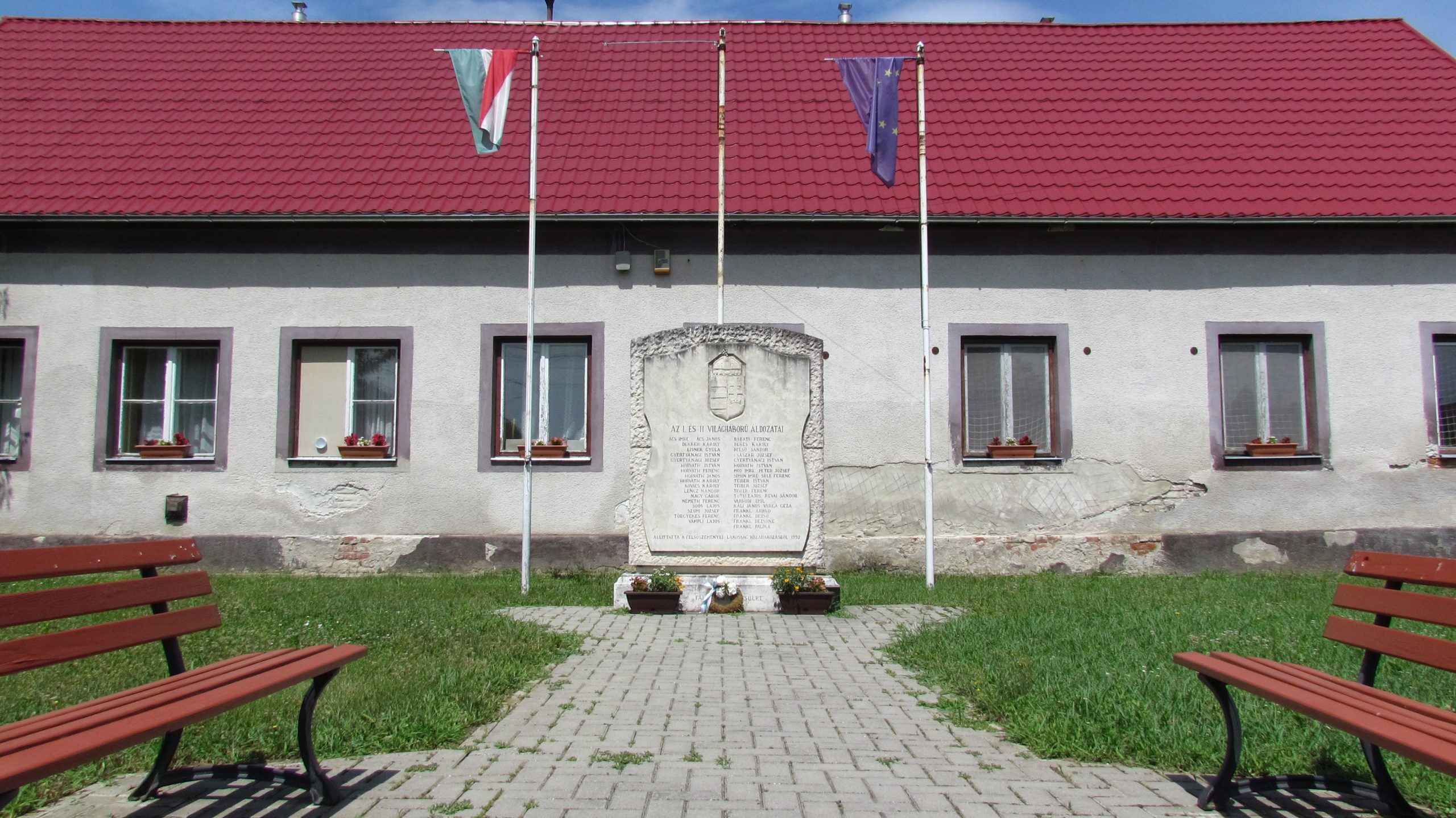
Modern-day Muraszemenye did not grow from a single settlement. Until 1938, it consisted of two independent villages—Alsószemenye and Felsőszemenye—together with the distinctive communities of Csernec and Aligvár.
Their unification created today’s village, bringing together the traditions, heritage and strengths of the former communities into one vibrant settlement.
The second half of the twentieth century brought another major transformation with the arrival of gravel mining. Although the landscape was dramatically altered by heavy industry, nature gradually reclaimed the area in a remarkable way.
Today, the former gravel pits have become the Muraszemenye Lakes—a spectacular network of more than 100 hectares of crystal-clear waters, now regarded as one of the village’s greatest tourist attractions and one of the finest recreational and fishing destinations in the region.
Muraszemenye Today – Where History Becomes the Present
Today, Muraszemenye is no longer an isolated border village. Instead, it serves as a gateway to the rolling hills of Zala County and the unique natural landscapes of the Mura Region.
The village’s rich heritage—traditional hospitality, the peaceful atmosphere of its historic church and the distinctive wines of Csernec Hill—exists in perfect harmony with modern ecotourism and outdoor recreation.
Visitors can explore centuries of history among historic buildings and sacred landmarks while also discovering the extraordinary beauty created by the enduring relationship between people and nature along the banks of the Mura River.
Muraszemenye is more than just a destination—it is a way of life, where even time seems to flow a little more slowly.